Best overall: All My Stripes. Best for friendship conversations: A Friend for Henry. Best for older readers exploring self-advocacy: A Kind of Spark. This 2026 guide to the best children's books about autism helps you choose a story that fits your child's interests, reading readiness, and questions—not just their age.
- All My Stripes leads this best children’s books about autism list for conversations about identity and belonging.
- A Friend for Henry offers a friendship story; My Brother Charlie opens sibling conversations.
- A Kind of Spark suits older readers discussing fairness, belonging, and speaking up.
- Autism Learn & Play encourages choosing autism books around each child’s interests, communication preferences, and comfort.
Why this matters
A book can give your family language for a conversation that feels hard to start. It can also introduce a character your child enjoys without turning reading into a lesson about behavior.
Autism Learn & Play is a Brooklyn-based nonprofit offering therapy services, community programs, and online classes for children ages 2–18. Autism Learn & Play's best children's books about autism guide puts a child's interests before a reading assignment.
For Brooklyn families preparing for a library visit, group activity, or playdate, a story offers a starting point: What makes someone feel welcome? What helps when a room feels overwhelming? Let your child decide whether to talk, point to a picture, or simply enjoy the story.
What makes the best children's books about autism?
For this 2026 shortlist, the most useful criteria are:
- A whole character: The child has interests, feelings, and relationships beyond autism.
- A clear conversation fit: Friendship, sibling understanding, identity, and self-advocacy are different needs.
- Respectful framing: Difference is not a defect, and belonging does not require becoming someone else.
- Reading fit: Picture books and novels serve different attention spans and reading preferences.
- Room for individuality: One character's experience does not stand for every autistic person.
- Adult discussion needs: Notice whose perspective leads the story and what your child needs help interpreting.
There is no single book every autistic child needs to read. Choose the conversation first, then the format. A familiar picture book can suit an older reader who enjoys illustrations; a younger confident reader can enjoy a longer story with support.
The books at a glance
These recommendations separate use cases rather than treating every title as a substitute for the others. The limitations explain when to choose a different book.
| Book | Best for | Standout feature | Key limitation |
|---|---|---|---|
| All My Stripes | Identity and self-acceptance | A zebra story about difference and belonging | Animal metaphor needs explanation |
| A Friend for Henry | Friendship conversations | A classroom story centered on finding a friend | Not a broad explanation of autism |
| My Brother Charlie | Sibling understanding | A sister's account of her autistic brother | The sibling perspective leads |
| The Girl Who Thought in Pictures | Biography and visual-thinking discussions | An illustrated account of Temple Grandin's life | One notable person's story is not a universal model |
| A Kind of Spark | Older readers exploring self-advocacy | An autistic protagonist challenges unfairness | Includes upsetting treatment and historical persecution |
| Can You See Me? | Secondary-school transition | A school story with diary-style passages | Social conflict calls for thoughtful discussion |
1. All My Stripes: best autism book for self-acceptance
All My Stripes: A Story for Children with Autism, by Shaina Rudolph and Danielle Royer, follows Zane, a zebra who feels different from his peers. His mother helps him understand that autism is one part of who he is, alongside other qualities.
The animal metaphor gives you a way to discuss identity without beginning with a definition. Ask which parts of Zane's story your child recognizes—and leave room for the answer to be none.
All My Stripes pros:
- Offers a clear opening for conversations about difference.
- Presents identity as more than a diagnosis.
- Gives an adult and child a shared story to discuss.
All My Stripes cons:
- The stripe metaphor needs explanation for readers who prefer literal language.
- A reassuring ending does not replace discussion of real exclusion.
Best for: Families seeking an illustrated starting point for self-acceptance.
Verdict: Buy All My Stripes for identity conversations, not as a complete explanation of autism.
2. A Friend for Henry: best autism book for friendship
A Friend for Henry, written by Jenn Bailey and illustrated by Mika Song, follows Henry as he looks for a friend in his classroom. His search makes friendship a concrete part of the story rather than an abstract instruction to be social.
Use the book before a group outing to explore what your child enjoys in a companion. You can ask, “What would make this activity comfortable for you?” without asking your child to copy Henry.
A Friend for Henry pros:
- Keeps friendship at the center of the story.
- Uses a familiar classroom setting.
- Gives families specific moments to discuss rather than a list of rules.
A Friend for Henry cons:
- Does not explain every aspect of autism.
- The classroom setting does not cover every kind of community activity.
Best for: Children and parents discussing friendship before school or a group activity.
Verdict: Buy A Friend for Henry when your main question is connection, not diagnosis.
3. My Brother Charlie: best autism book for sibling understanding
My Brother Charlie, by Holly Robinson Peete and Ryan Elizabeth Peete, tells Charlie's story through his twin sister, Callie. It introduces a sibling relationship that includes both differences and affection.
This perspective makes the book useful when a brother or sister has questions. Read it as one family's story, then invite both children to describe their own experiences without making either responsible for explaining the other.
My Brother Charlie pros:
- Gives siblings a recognizable family relationship to discuss.
- Includes affection alongside challenges.
- Opens conversations about similarities as well as differences.
My Brother Charlie cons:
- Charlie's sister, rather than Charlie, leads the narration.
- Families need to distinguish Charlie's experiences from their own child's.
Best for: Siblings who want language for talking about their relationship.
Verdict: Buy My Brother Charlie for sibling conversations; pair it with an autistic protagonist's viewpoint.
4. The Girl Who Thought in Pictures: best autism book for biography
The Girl Who Thought in Pictures: The Story of Dr. Temple Grandin, written by Julia Finley Mosca and illustrated by Daniel Rieley, introduces Temple Grandin through an illustrated biography. It connects her visual thinking with her life and work.
Choose this title for a child interested in real people, pictures, or how someone develops an interest into work. Keep the conversation about Grandin's particular experience, not what an autistic child is expected to achieve.
The Girl Who Thought in Pictures pros:
- Adds nonfiction to a largely story-based shortlist.
- Introduces a named autistic adult.
- Creates an opening to discuss different ways of thinking.
The Girl Who Thought in Pictures cons:
- Grandin's experience does not describe every autistic person.
- A notable person's biography needs context so achievement does not become pressure.
Best for: Readers who prefer true stories and want to discuss visual thinking.
Verdict: Buy The Girl Who Thought in Pictures for curiosity about a real person—not a model your child must follow.
5. A Kind of Spark: best autism book for self-advocacy
Elle McNicoll's A Kind of Spark follows Addie, an autistic girl in a Scottish village, as she campaigns for a memorial to women persecuted as witches. The story connects her response to historical injustice with her own experiences of being misunderstood.
This is the strongest pick here for an older reader who wants a substantial story about fairness and speaking up. Preview the treatment of bullying and persecution before offering it, and let your child decide whether those themes feel manageable.
A Kind of Spark pros:
- Centers an autistic protagonist's perspective.
- Gives the character a goal beyond explaining autism.
- Supports discussion of fairness, community, and being heard.
A Kind of Spark cons:
- Includes upsetting treatment of people who are seen as different.
- Its longer narrative requires more reading stamina than a picture book.
Best for: Older readers interested in justice and self-advocacy.
Verdict: Buy A Kind of Spark for a reader ready for its difficult themes and longer story.
6. Can You See Me?: best autism book for school transition
Can You See Me?, by Libby Scott and Rebecca Westcott, follows Tally, an autistic girl starting secondary school. Diary-style passages sit alongside the story, giving readers access to her perspective on school and relationships.
The transition makes this a useful choice when your child's questions involve changing schools, friendships, or fitting in. Discuss what Tally wants others to understand rather than turning her experiences into instructions for your child.
Can You See Me? pros:
- Focuses on a recognizable school transition.
- Includes an autistic girl's perspective.
- Opens discussion of friendships and pressure to fit in.
Can You See Me? cons:
- Social conflict can make parts of the story uncomfortable.
- Its British school context differs from a Brooklyn school experience.
Best for: Readers approaching a school change or exploring peer relationships.
Verdict: Buy Can You See Me? for school-transition conversations, with space to discuss difficult scenes.
How the ranking works
The 2026 ranking prioritizes conversation fit, character perspective, format, and discussion needs. All My Stripes takes the default position because identity and belonging provide a broad starting point; the other books win when your family has a more specific question.
These are reading recommendations, not therapy recommendations. No book represents every autistic child, and enjoying a story does not require identifying with its main character.
Match the book to your child, not an age label
Use these age bands as planning prompts for 2026, not publisher reading-age claims:
- Ages 2–5 years: Start with pictures and familiar words. Your child can turn pages, point, move around, or stop without finishing.
- Ages 6–9 years: Offer a choice between a picture-led story and shared reading. Ask about a character's interests before introducing an abstract question.
- Ages 10–13 years: Discuss whether your child wants a novel, biography, or shorter illustrated book. Preview difficult themes together.
- Ages 14–18 years: Respect preferences about tone and privacy. Offer a title without assuming your teen wants autism to be the topic of every reading conversation.
These choices are not a ladder. Your child does not need to graduate from picture books, and a parent can read a novel aloud to an older child who enjoys listening.
Make shared reading a choice, not a test
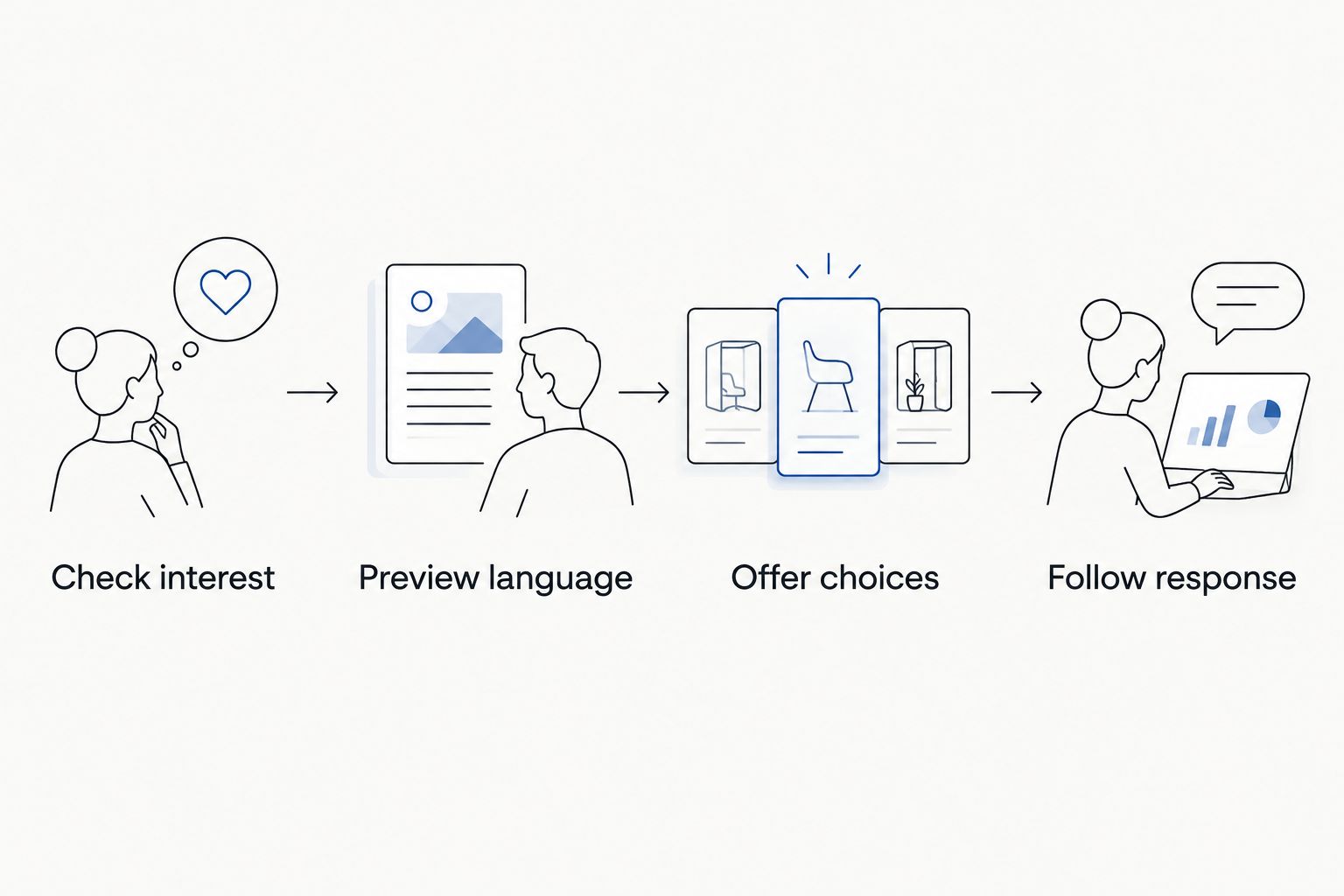
A useful 2026 reading plan starts with permission to participate differently. Follow this sequence before adding a book to a family routine or community activity:
- Check interest: Show the cover and describe the story briefly. Ask whether your child wants to explore it.
- Preview language: Read ahead for metaphors, upsetting scenes, and unfamiliar words.
- Offer choices: Let your child choose listening, reading, looking at pictures, or pausing.
- Follow response: Continue, change the question, or stop according to what your child communicates.
If your child uses a communication device, keep it accessible during reading. Spoken answers are not the only way to take part; the guide to AAC devices for autism offers a related topic to explore.
For a Brooklyn library outing, ask staff about the reading area, noise, and a place to pause before you visit. Do not assume a group story time will suit your child simply because the book does. Reading beside another child can be an option; conversation does not have to be the goal.
Which children's book about autism should you choose?
Start with All My Stripes if your family wants an illustrated conversation about identity. Choose A Friend for Henry for friendship, My Brother Charlie for siblings, and The Girl Who Thought in Pictures for biography. Choose A Kind of Spark or Can You See Me? when an older reader wants a longer story with more complex themes.
Autism Learn & Play serves families across ages 2–18. If you want to ask about its community programs or online classes, use the website contact form or email info@autismlearnplay.org; describe your child's interests and the support you want to discuss.
FAQ
What’s the best children’s book about autism to start with?
All My Stripes is this guide’s default choice for an illustrated conversation about identity and belonging. Choose a different title when your child’s main interest is friendship, siblings, biography, or school.
What’s a good autism book for a brother or sister?
My Brother Charlie is the sibling-focused recommendation on this list. Its sister-led perspective opens family conversations, but Charlie’s experience should not be treated as a description of every autistic child.
Is A Friend for Henry better than All My Stripes?
A Friend for Henry is the better fit for a friendship conversation; All My Stripes is the better fit for discussing identity. Choose according to the question your child wants to explore.
What’s a good autism novel for an older child?
A Kind of Spark is the recommendation for older readers interested in fairness and self-advocacy. Preview its difficult themes, including persecution and upsetting treatment, before deciding together.
Can I read these books with a child who doesn’t use speech?
Yes, shared reading does not require spoken answers. Offer pictures, gestures, pointing, or your child’s usual communication system, and accept participation without a response to every question.
Should I tell my child that a character is just like them?
Let your child decide what feels familiar rather than declaring a match. Ask what they notice and remember that a fictional character represents one experience, not everyone on the spectrum.
Can Autism Learn & Play help me explore community activities?
Autism Learn & Play provides community programs, therapy services, and online classes for children ages 2–18. Contact the nonprofit through its website contact form or info@autismlearnplay.org to ask about your family’s needs.
One last thing
Before you ask what your child learned, ask whether they liked the book. “Not for me” is a useful answer: it tells you to change the story, not correct the reader. In 2026, the best reading choice is still the one your child wants to return to.
Related guides
- Social skills games for autistic teens
- Art therapy activities for autistic kids
- Board games for kids with autism