Best starting point for a social-focused class: Social Skills Class. Best for music interests: Sing-Along. Best for individual academic support: Tutoring: 1 on 1. This 2026 guide compares online options from Autism Learn & Play, a Brooklyn-based nonprofit, and explains what to ask before choosing a class for your child.
- Searching special needs classes brooklyn? Autism Learn & Play offers online classes; confirm each class’s age fit and accommodations.
- Social Skills Class is the first option to discuss when your priority is social learning.
- Sing-Along, Dance Class, and Drawing Class offer different interest-based starting points; each lists a 30-minute Zoom format.
- Tutoring: 1 on 1 lists a one-hour Zoom format for families seeking individual academic support.
Why this matters
Choosing a class means choosing an experience your child will actually want to return to. A familiar interest, a manageable session, and a welcoming instructor matter more than a long activity list.
Autism Learn & Play is a Brooklyn-based option for families seeking online autism classes for children ages 2–18. That organizational age range does not establish eligibility for every class. Ask about the specific session before making plans.
The options below are online classes, not a directory of in-person Brooklyn outings or a ranking of every local provider. For your 2026 search, separate two questions: what interests your child, and whether you want online learning or face-to-face community time.
What makes the best class for your child?
Use these criteria before comparing class names:
- Child’s interest: Start with something your child chooses, enjoys, or wants to explore—not only a skill adults want practiced.
- Age fit: Ask who the class serves. A preschooler and a teenager need different materials, pacing, and social expectations.
- Communication access: Ask how children can participate through speech, typing, gestures, or an existing communication device.
- Sensory fit: Discuss sound, movement, screen use, and permission to pause before the first session.
- Participation format: Confirm whether the session involves peers, individual instruction, or another arrangement. A class name does not establish group size.
- Practical fit: Consider session length, the home setup, and how much caregiver help your child needs.
Treat these as questions to resolve, not features automatically included in every program. A promising topic becomes a good fit only when the actual teaching approach works for your child.
Brooklyn class options at a glance
All six options below are listed by Autism Learn & Play as Zoom classes. The use-case labels reflect their named focus and listed format, not measured outcomes or a promise of suitability.
| Class | Best for | Standout detail | Key limitation |
|---|---|---|---|
| Social Skills Class | Exploring social learning | Named social-skills focus; 30 minutes | Peer participation and grouping need confirmation |
| Sing-Along | Children interested in singing | Singing-centered title; 30 minutes | Volume and participation expectations need discussion |
| Dance Class | Children interested in movement | Movement-centered title; 30 minutes | Home space and movement adaptations need planning |
| Drawing Class | Children interested in drawing | Drawing-centered title; 30 minutes | Materials and instruction style need confirmation |
| Tutoring: 1 on 1 | Individual academic support | Individual format; 1 hour | Longer session than the other listed options |
| Organization and Goal Setting | Planning-focused learning | Named organization focus; 30 minutes | Age fit and practical content need confirmation |
1. Social Skills Class: best for exploring social learning
Social Skills Class is the first class to discuss when your family wants a social-learning focus. The listing specifies a 30-minute session conducted through Zoom; it does not establish the number or ages of participating children.
Ask what a typical session involves. If friendship is your priority, distinguish learning about social situations from actually spending time with peers—those are different experiences.
Social Skills Class pros:
- The named focus matches a social-learning priority.
- The listed 30-minute duration gives you a clear planning reference.
- Zoom removes travel from the class itself.
Social Skills Class cons:
- The online format does not provide an in-person Brooklyn outing.
- Peer grouping, communication supports, and teaching expectations need confirmation.
Best for: Families exploring a class specifically focused on social learning.
For 2026, ask whether children can observe, decline an activity, and communicate in their preferred way. Verdict: Hold until the participation format matches your child’s needs.
2. Sing-Along: best for children interested in singing
Sing-Along offers a clearly named music-related option in a 30-minute Zoom format. Choose this as a conversation starter when your child already enjoys songs, rather than assuming every music activity will feel comfortable.
Ask whether listening is an accepted way to participate. Also discuss sound levels and whether your child needs to sing independently, follow an instructor, or respond in another way.
Sing-Along pros:
- The singing focus gives families a specific interest to assess.
- The listed session lasts 30 minutes.
- The online format avoids a trip to a class location.
Sing-Along cons:
- Singing-based participation does not suit every child’s preferences.
- Sound management and participation flexibility need confirmation.
Best for: Children whose own interests include singing or listening to songs.
A music interest is a reason to investigate, not a reason to ignore discomfort with sound. Verdict: Hold until the sound and participation expectations are clear.
3. Dance Class: best for children interested in movement
Dance Class is listed as a 30-minute Zoom session. Its movement focus makes it an option to discuss if your child enjoys dancing and you want an activity delivered at home.
Before choosing, ask what movements the instructor uses and what space the session requires. Discuss seated participation or other adaptations if those would help your child join comfortably; do not assume they are included.
Dance Class pros:
- The class has a specific movement-based focus.
- Its 30-minute duration is stated in the listing.
- Zoom lets your family avoid travel for the session.
Dance Class cons:
- An online movement class requires attention to your home space.
- Movement adaptations and caregiver involvement need confirmation.
Best for: Children who want a movement-centered activity rather than a mainly seated class.
Ask whether children can move in their own way instead of copying every action. Verdict: Hold until the movement approach and home setup fit.
4. Drawing Class: best for children interested in drawing
Drawing Class is a 30-minute Zoom option with a clearly named creative focus. It belongs on your shortlist when your child reaches for drawing materials by choice.
Ask whether sessions involve demonstrations, open-ended drawing, or a combination. That distinction matters when a child enjoys making art but dislikes reproducing someone else’s example.
Drawing Class pros:
- The named focus helps you assess interest before enrolling.
- The listed session lasts 30 minutes.
- The online format removes the need to travel with supplies.
Drawing Class cons:
- Required materials and setup need confirmation.
- The balance between guided instruction and personal choice needs discussion.
Best for: Children who enjoy drawing and want to explore a class built around that interest.
Do not treat a recreational drawing class as interchangeable with art therapy. Verdict: Hold until the materials and instruction style match your child.
5. Tutoring: 1 on 1: best for individual academic support
Tutoring: 1 on 1 lists an individual format and a one-hour Zoom session. It is the clearest option in this comparison when your priority is academic support rather than a shared-interest activity.
Bring a specific question to the conversation: understanding a reading assignment, approaching homework, or supporting a school learning goal. Ask which subjects and age groups the tutor serves rather than assuming the listing covers every academic need.
Tutoring: 1 on 1 pros:
- The title explicitly identifies individual instruction.
- The listing states a one-hour session length.
- Zoom removes travel from the tutoring appointment.
Tutoring: 1 on 1 cons:
- A one-hour session is longer than the other options compared here.
- Individual tutoring does not itself provide peer interaction.
Best for: Families seeking individual academic support with an agreed learning focus.
Ask how breaks and school materials fit into the session. Verdict: Hold until subject fit and session pacing are confirmed.
6. Organization and Goal Setting: best for planning-focused learning
Organization and Goal Setting is listed as a 30-minute Zoom class. Its named focus makes it worth discussing when your child wants help approaching routines, responsibilities, or personal goals.
The title alone does not establish the curriculum or intended age group. For a teenager, ask whether the examples respect their interests and growing independence; for a younger child, ask how the material becomes concrete and understandable.
Organization and Goal Setting pros:
- The class names a planning-related focus.
- The session length is listed as 30 minutes.
- Online delivery avoids travel for the class.
Organization and Goal Setting cons:
- Age suitability needs confirmation.
- The actual activities and connection to home routines need discussion.
Best for: Families exploring planning-focused learning rather than subject tutoring.
Make sure the goals include something your child values. Verdict: Hold until the examples and expectations feel relevant.
How these classes are ranked
This 2026 comparison ranks options by distinct family priorities, using their listed titles, durations, and delivery formats. Social Skills Class comes first because this guide prioritizes connection; the other options serve different interests rather than competing for the same purpose.
The ranking does not claim that one class produces better results. Choose by interest, access, and confirmed format—not position on the list.
Make a new class feel more predictable
Before the first session, give your child a simple explanation of what will happen. Ask the instructor for accurate details rather than promising activities that have not been confirmed.
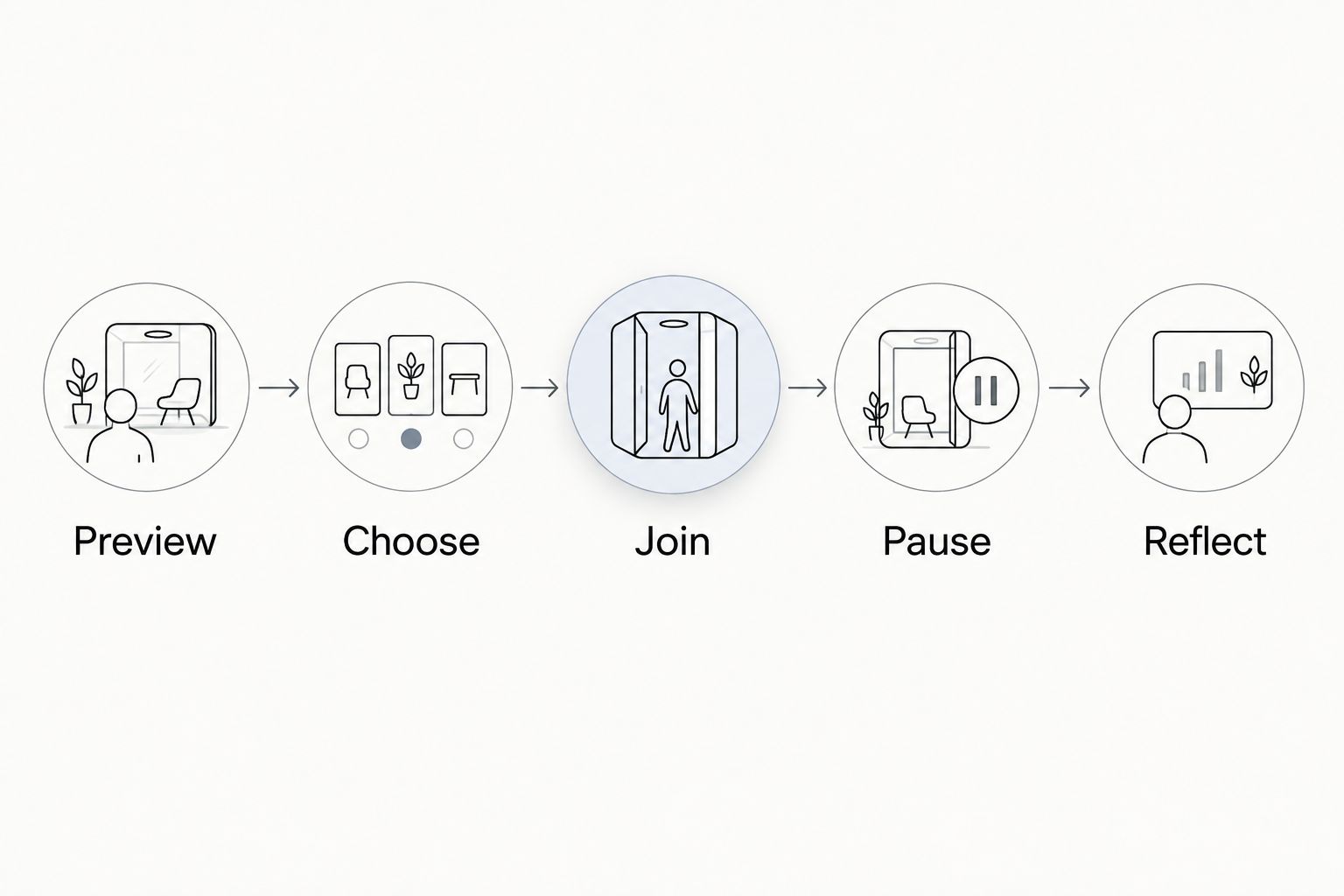
Use this preparation sequence:
- Preview: Explain who will be on screen and what kind of activity to expect.
- Choose: Let your child help select materials or a comfortable place to join.
- Join: Keep familiar communication tools within reach.
- Pause: Agree on a way to request a break or stop.
- Reflect: Ask what your child enjoyed and what should change.
The same preparation questions apply when considering yoga for children and teens: ask how the instructor introduces unfamiliar activities, respects a decision not to participate, and explains breaks. An appealing activity name does not replace a clear participation plan.
For younger children, ask what caregiver presence is expected. For teenagers, include the young person directly in decisions about goals, privacy, and whether the class feels age-respectful.
If your main goal is making friends in Brooklyn
Online learning and local community time are different choices. A Zoom class does not answer practical questions about meeting nearby families, visiting a shared space, or spending time together outside the session.
For an in-person activity in 2026, ask the organizer about arrival, noise, bathrooms, breaks, caregiver participation, and how children meet each other. Ask whether the activity involves a consistent group or different participants each time.
Look for room to participate without pressure to perform sociability. Your child should not have to speak on demand or copy everyone else to have a place in a welcoming activity.
Ask Autism Learn & Play about its community programs through the contact form. Explain your child’s age, interests, communication preferences, and whether you want online learning or an in-person experience; confirm the details of any proposed program directly.
Which class should you choose?
Start with Social Skills Class if social learning is your priority, then confirm whether the actual session provides the interaction you want. Choose Sing-Along, Dance Class, or Drawing Class when your child’s interest offers a stronger starting point.
Choose Tutoring: 1 on 1 for individual academic support. Discuss Organization and Goal Setting when planning itself is the priority—not simply because your child is older.
For your 2026 decision, bring one main goal and one non-negotiable support need. That makes the conversation more useful than asking which class is best for every autistic child.
FAQ
What are the best special needs classes for kids in Brooklyn?
The best class matches your child’s interests, age, communication, and support needs. This comparison covers online options from a Brooklyn-based nonprofit, not a citywide ranking of in-person providers.
Are these classes in person in Brooklyn?
The six classes compared here are listed as Zoom sessions. Ask separately about community programs if your priority is an in-person Brooklyn activity.
Which class should I ask about if my child wants to make friends?
Start by discussing Social Skills Class and confirming whether children interact with peers during the session. A social-skills title alone does not establish group size or opportunities to form friendships.
How long are the online classes?
Social Skills Class, Sing-Along, Dance Class, Drawing Class, and Organization and Goal Setting each list 30-minute Zoom sessions. Tutoring: 1 on 1 lists a one-hour Zoom session.
Can a nonspeaking child join an online class?
Ask the provider to confirm how the specific class supports your child’s communication. Discuss gestures, typing, or an existing communication device, and ask whether spoken responses are expected.
Can my teenager join the same class as a younger child?
Confirm the intended ages and grouping for the specific session. The nonprofit serves children ages 2–18, but that does not mean every class is suitable for the full age range.
Does a music or drawing class count as therapy?
Do not assume a recreational class is a therapy service. Ask what service is being provided, who leads it, and whether it has an agreed therapeutic purpose.
One last thing
Your child does not need to choose the class that looks most impressive on paper. Before committing, ask which part sounds enjoyable—and listen just as closely to what they do not want.
A clear preference is useful information, not an obstacle to overcome. Start the conversation there.
Related guides
- Can siblings join autism community programs together?
- Best social skills games for autistic teens
- How to connect online autism classes to in-person therapy