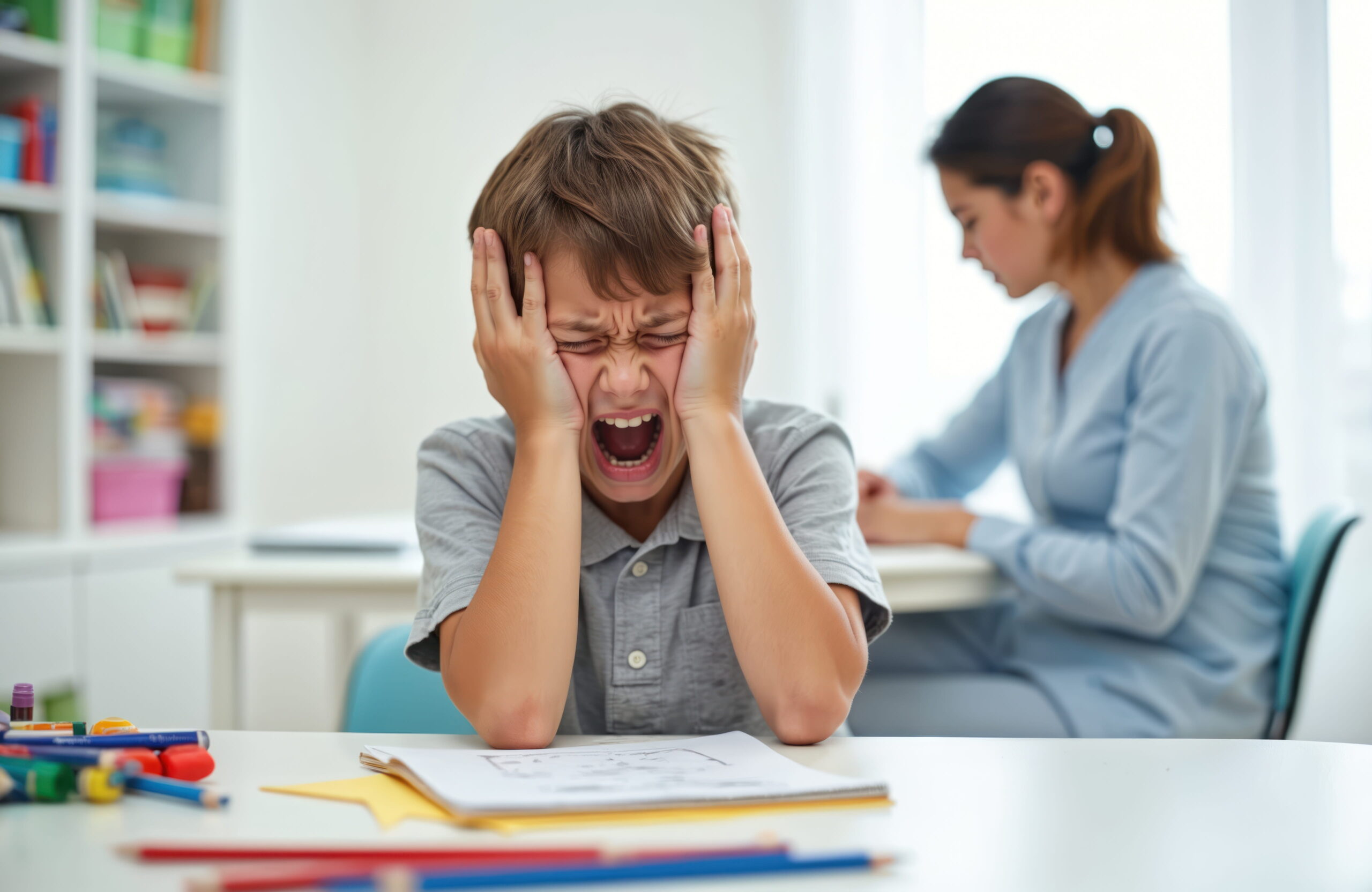
A child covers their ears during a birthday party, then lights up quietly while pouring rice between cups at the kitchen table. That contrast is why sensory friendly autism activities matter so much. The right activity can help a child feel calm, engaged, safe, and...
If your child looks away when you speak, you may wonder what it means. A toddler avoids eye contact for many reasons, and not all of them indicate a problem. Eye-contact preferences vary from child to child. If you also notice differences in communication or other...
It is common to find many parents observing that the child seems to respond greatly to sounds, fabrics, or the day-to-day feeling, and starts wondering what is causing it. A child sensitive to noise can stuff his/her ears or get displeased around a lot of noise, a...
Certainly, many parents do not fail to observe that autism transitions can make one of the most difficult elements of everyday life. Even the simplest things, such as changing the playtime, preparation for school, or changing activities, may cause frustration or...
Helping an autistic child participate in class starts with understanding their sensory needs, comfort, and preferred ways of learning. Movement breaks, flexible seating, visual schedules, fidget tools, and shorter tasks are options to discuss with their teacher. The...
The sight of a child playing alone often prompts parents to question if they should be concerned. Observing a toddler choosing solitude over interacting with siblings or peers is common. While independent play may benefit development, it can also raise questions about...