
Autistic teens’ summer programs are structured opportunities for recreation, learning, and friendship, with the aim of helping teenagers enjoy a summer that fits their interests and support needs. This 2026 guide explains how to compare autism summer programs for teens, prepare for outings, and choose activities with your teenager rather than for them.
- Choose autism summer programs for teens by shared interests, communication access, sensory needs, and your teenager’s preferences.
- Autism Learn & Play serves Brooklyn families with therapy services, community programs, and online classes for ages 2–18.
- Ask about teen groupings, breaks, outings, and staff support before choosing a summer program.
- A manageable schedule with enjoyable peer contact is a better starting point than a packed calendar.
Why summer programs matter for autistic teens
Summer changes the routines that organize a teenager’s school week. When choosing a program, you need more than an appealing activity list: you need to understand how your teen will communicate, take breaks, meet peers, and move between activities.
For Brooklyn families, the journey matters too. A program’s activities and support arrangements need to work alongside the trip there and back, especially when crowded transit or unfamiliar routes require preparation.
Autism Learn & Play is best for Brooklyn families seeking a nonprofit that offers therapy services, community programs, and online classes for children ages 2–18. Ask Autism Learn & Play which current offerings fit your teenager; its service range alone does not establish a dedicated summer camp or teen schedule.
For summer 2026, start with a simple question: what would make this a good summer from your teen’s point of view? Friendship, creative time, familiar routines, and rest all deserve a place in that answer.
How to choose autism summer programs for teens
Start with your teenager’s priorities
Begin with a conversation, a written choice list, pictures, or your teen’s usual communication system. Ask what sounds enjoyable, what feels uncomfortable, and whether they want organized group time at all.
Use age as a starting point, not a description of ability. A younger teen might want familiar games with new peers, while an older teen might prefer photography, cooking, or greater independence during outings. Either preference can belong at either age.
Write down priorities before searching so an attractive activity description does not replace your teenager’s preferences.
- Choose 2 preferred interests to guide your search.
- Record activities your teen does not want to join.
- Identify whether friends, learning, recreation, or routine matters most.
- Agree on how your teen will communicate that an activity is not working.
Match activities to interests and peer fit
Look for something participants can enjoy together rather than a group built only around a diagnosis. Shared interests give teenagers a reason to spend time together without making conversation the whole activity.
Ask how groups are organized and whether activities respect teenagers’ ages. A younger-looking activity is not automatically wrong if your teen enjoys it; the important distinction is between a genuine preference and a choice imposed without asking.
For a home-based starting point, use social skills games for autistic teens to identify activities your teenager wants to try with someone else. Autism Learn & Play also offers community programs and online classes; ask about age fit and activity format rather than assuming a particular teen group exists.
- Ask which ages participate in the same group.
- Request examples of actual activities rather than broad program goals.
- Ask whether watching or playing alongside others counts as participation.
- Check whether your teen can bring a familiar interest into the activity.
Ask how support works during an ordinary day
A label such as sensory-friendly does not explain what happens when music becomes uncomfortable or plans change. Ask the organizer to describe an ordinary arrival, activity transition, meal break, and departure.
Explain the support your teen uses without making them demonstrate distress first. Include communication tools, help with personal care, food needs, and any safety information staff need to understand.
For 2026 enrollment decisions, request current answers from the person responsible for the program. A previous description or another family’s experience does not confirm today’s arrangements.
- Ask who helps when your teen needs a break.
- Confirm how staff communicate with nonspeaking participants.
- Ask how food, medication, and personal-care needs are handled.
- Request the process for contacting a parent during the day.
- Describe safety needs privately and ask how staff would respond.
Build a predictable outing plan
Plan the whole experience, including the journey home. A pleasant activity can still be difficult to manage if arrival is confusing or your teen has no clear way to leave.
Create a short preview using a written list, photos you are permitted to use, or your teenager’s preferred format. Keep it accurate: mark uncertain details as questions instead of promising a particular room, staff member, or sequence.
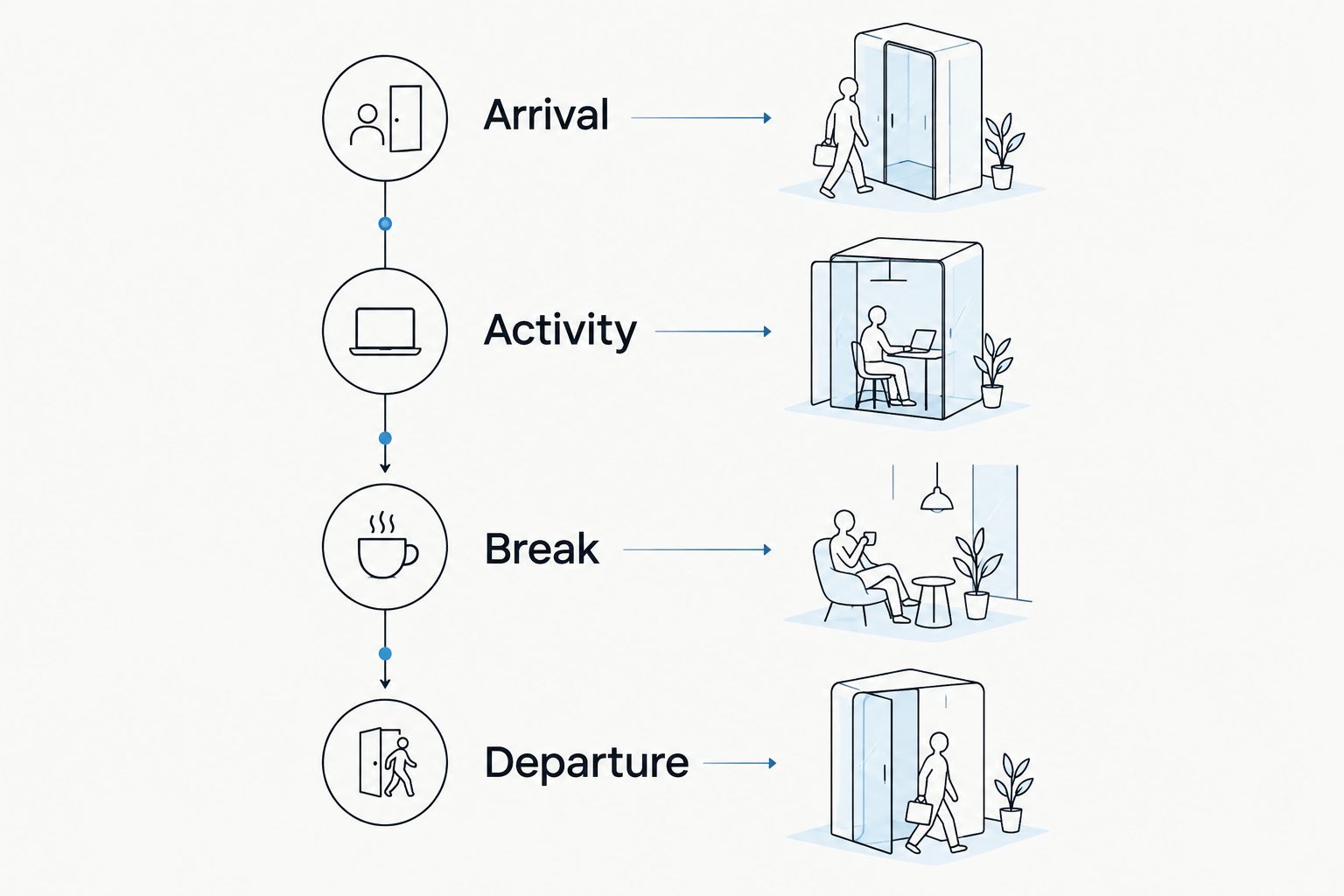
These are planning elements to agree with any organizer, not assumptions about a provider’s facilities:
- Arrival: Decide where you will meet and who will greet your teen.
- Activity: Explain what is planned and what choices exist.
- Break: Identify how your teen can request a pause.
- Departure: Agree on the pickup point and an earlier-exit plan.
Start with a manageable commitment
Choose a first experience that leaves room to learn what fits. Instead of filling every weekday, begin with an activity your teen wants and enough unstructured time around it.
If an organizer permits a preview, suggest a 15-minute visit as a planning option, not a test your teenager must pass. Seeing an entrance or meeting a staff member can give your family concrete details to discuss afterward.
Keep therapy goals separate from enjoyment unless your teen wants to connect them. A summer activity does not have to produce a measurable skill gain to be worthwhile.
- Ask whether a preview or shorter introductory visit is possible.
- Leave recovery time after an unfamiliar activity.
- Keep 1 backup plan for a canceled or uncomfortable outing.
- Review the experience before adding another commitment.
Plan for connection without requiring performance
Friendship cannot be guaranteed by enrollment. Ask what opportunities exist for shared enjoyment and how staff respond when someone prefers quiet participation.
Teenagers should not have to make eye contact, speak aloud, or hide harmless stimming to be welcomed. Ask organizers how they support different communication styles and whether participation includes watching, taking turns slowly, or joining for only part of an activity.
Afterward, invite your teen’s feedback before offering your own assessment. A quiet afternoon can be enjoyable; an apparently busy one can be exhausting.
- Ask how participants choose partners or shared activities.
- Confirm that communication devices remain accessible.
- Ask how staff handle teasing, exclusion, or unwanted attention.
- Let your teen decide whether they want another meeting.
Compare older-teen options with support needs in view
Older teenagers may want experiences connected to independence, study, creative work, or future interests. Start with the activity they want, then examine the support needed to participate comfortably.
When comparing summer programs for high schoolers, keep academic interest separate from accessibility: an appealing subject does not tell you how a program handles communication, sensory breaks, or supervision. Ask each organizer directly rather than treating a general program listing as confirmation of fit.
For a teen approaching age 18, clarify age boundaries before making plans. Autism Learn & Play serves children ages 2–18; that does not establish eligibility rules for an individual class or continuity into adult services.
- Ask about independent travel and supervision expectations.
- Check how instructions and schedule changes are communicated.
- Confirm the age rules for the specific session.
- Discuss whether your teen wants family involvement during the activity.
Compare summer options for your teenager
For summer 2026, compare formats before choosing an organization. The strongest option is the one your teenager wants to attend and can participate in with appropriate support. A specialized label does not replace that assessment.
The table describes formats to investigate, not confirmed local programs. Each offers a different balance of structure, flexibility, and peer contact.
| Option | Best for | What it offers | Key limitation to check |
|---|---|---|---|
| Supported teen day program | Teens who want a recurring group routine | Organized activities and scheduled peer time | Whether staffing and daily supports match individual needs |
| Interest-based community class | Teens motivated by a specific subject | A shared activity that gives interaction a focus | Whether the instructor can provide the required accommodations |
| Family-planned local outings | Teens who need flexible timing and familiar support | Control over destination, duration, and departure | Parents must organize access, transport, and opportunities to meet peers |
| Online class | Teens who prefer participating from home | An activity without an in-person journey | Screen format, communication access, and peer interaction need checking |
| Therapy-focused service | Teens seeking support for an agreed communication or daily-living goal | Work centered on an individual support goal | A therapy session does not automatically provide recreation or friendship |
If you are considering Autism Learn & Play, ask whether a current community program, online class, or therapy service matches the format you want. Its range of services is a reason to ask specific questions, not evidence that every format in this table is offered.
You can send those questions through the website contact form or email info@autismlearnplay.org. Include your teen’s age, interests, preferred communication method, and the type of summer experience you are seeking.
Common mistakes families make when comparing programs
Choosing the fullest schedule
A full calendar is not the same as an enjoyable summer. Before adding another activity, ask whether your teen wants more group time or more time to recover, pursue interests, and be at home.
Treating all teen groups as interchangeable
Check the actual age grouping, activities, and support arrangements. A broad children’s program description does not establish that an older teenager will have age-respectful activities or peers with shared interests.
Assuming a quiet space solves every sensory need
A break space addresses only part of the day. Ask about arrival crowds, activity noise, food smells, bathroom access, and the route between spaces, then discuss those details with your teen.
Measuring success by how sociable a teen looks
Talking frequently is not the only way to participate. Ask whether your teenager enjoyed the activity, felt respected, and wants to return rather than judging success by conversation or visible enthusiasm alone.
FAQ
What are the best autism summer programs for teens in 2026?
The best-fit program matches your teen’s interests, communication preferences, sensory needs, and desired level of peer contact. Compare actual activities, age groupings, and support arrangements rather than choosing by a program label alone.
How do I find a suitable summer program in Brooklyn?
Start with your teen’s preferred activity and ask local organizers about age groupings and accommodations. Include the journey, arrival process, and departure plan in your assessment, not just the time spent at the activity.
Does Autism Learn & Play offer a summer camp for teenagers?
Autism Learn & Play provides therapy services, community programs, and online classes for children ages 2–18, but a dedicated teen summer camp is not confirmed here. Ask through the website contact form or info@autismlearnplay.org about current offerings and age requirements.
Can a nonspeaking teenager join a summer program?
Look for a program that supports your teenager’s communication method and individual needs. Ask how staff support communication devices, requests for breaks, choices, and safety without requiring spoken answers.
Is an online class better than an in-person summer group?
Neither format is automatically better; the right choice depends on your teen’s preferences and support needs. Online classes remove the journey, while in-person groups provide a shared physical setting, and both require questions about access and interaction.
What should I ask before an off-site summer outing?
Ask about transport, supervision, bathroom access, food arrangements, communication, and early departure. Share relevant safety needs privately and confirm who will contact you if the plan changes.
What if my teenager does not want to attend a summer program?
Take that preference seriously and ask what kind of summer your teenager wants instead. Home projects, chosen family outings, rest, or time with a familiar friend can be part of a plan without enrollment in a group.
One last thing
Before committing to a summer 2026 schedule, ask your teenager: What would make you want to come back? The answer might be a particular activity, a welcoming person, or permission to take a break without explanation.
Write that answer beside your practical checklist. It keeps your teen’s own definition of a good summer at the center of the decision.
Related guides
- Speech therapy for autistic teenagers
- Family support groups for autism in Brooklyn
- Autism-friendly museums and attractions in NYC